Most skincare routines fail at step one. The wrong cleanser strips the skin barrier, disrupts the moisture balance, and makes every product you apply after it less effective. And because cleanser is rinsed off, most people assume it doesn't matter much.
It matters enormously.
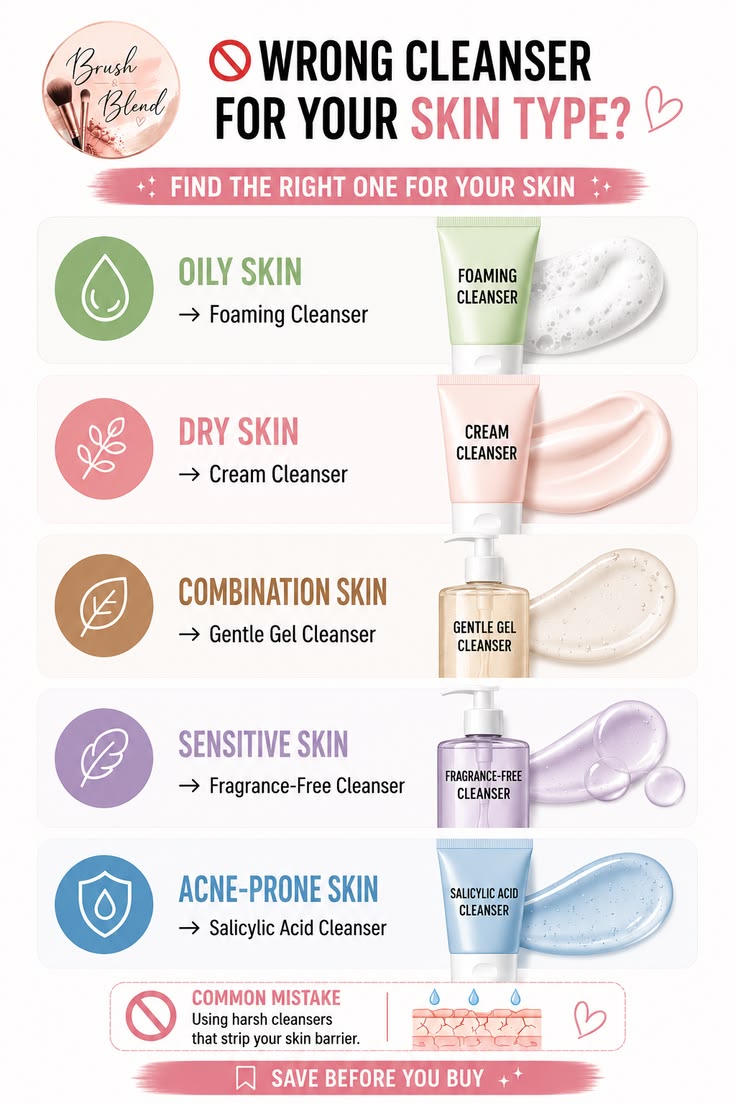
Oily and acne-prone skin: foaming, but gently
The instinct is to reach for the strongest cleanser available — something that squeaks clean. Resist this. Over-cleansing triggers more oil production, not less. You want a foaming cleanser that removes excess sebum without stripping the barrier.
What to look for: Gentle surfactants (sodium laureth sulfate or amino acid-based), niacinamide or salicylic acid if you want a bonus active, fragrance-free.
What to avoid: Scrubs, alcohol, and anything that makes skin feel tight or dry after rinsing.
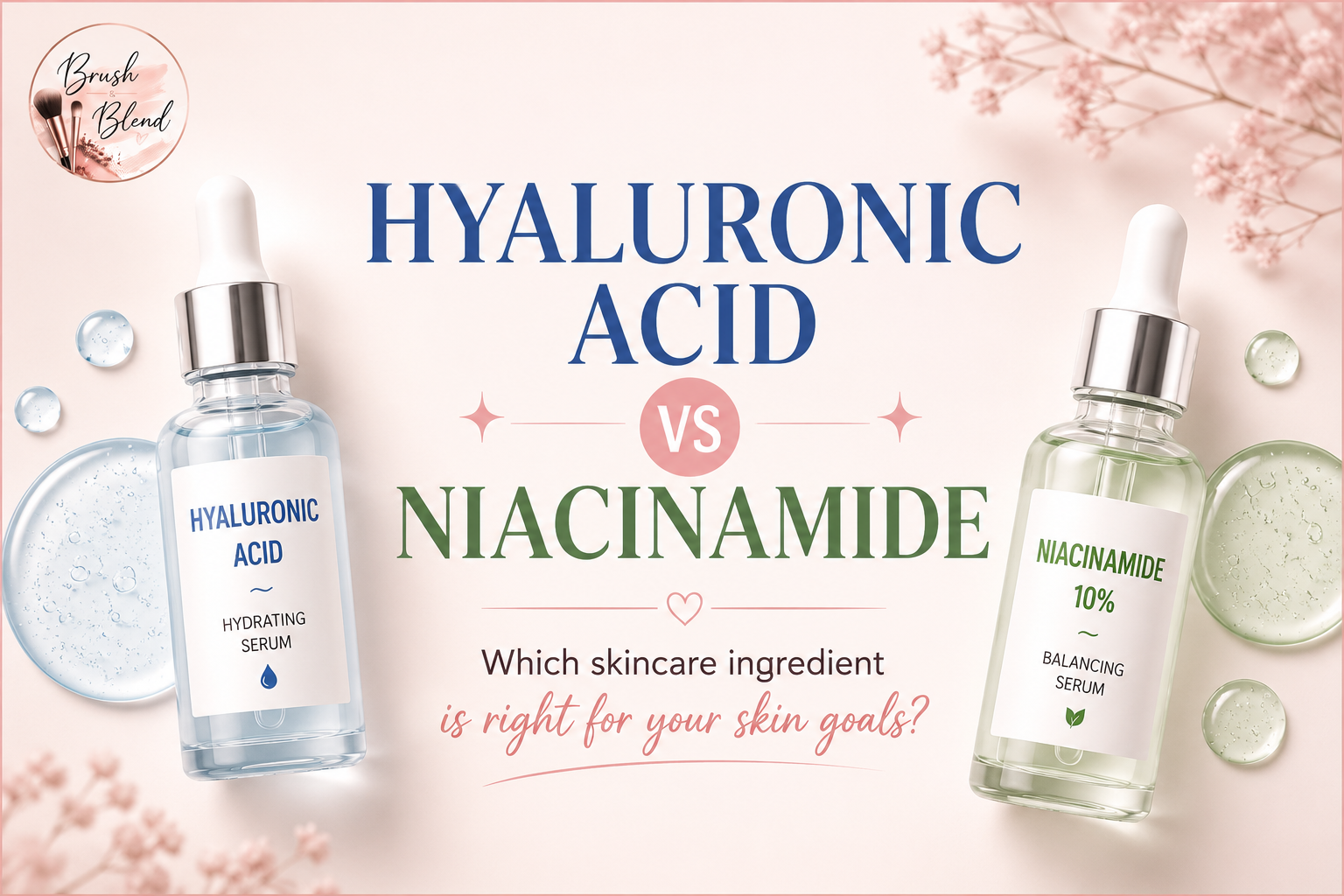
After cleansing, follow with a niacinamide serum to regulate sebum production long-term:
Niacinamide 10% + Zinc 1%
10% niacinamide regulates sebum production without drying — which makes it the first-line active for oily skin. Zinc tackles congestion. At $6 it's an obvious yes.
Shop now →Dry and sensitive skin: cream or micellar, always
Foaming cleansers — even "gentle" ones — are too harsh for dry or sensitive skin. The surfactants that create foam disrupt the lipid barrier, which dry skin already struggles to maintain. Cream cleansers and micellar water clean without compromising the barrier.
What to look for: Cream texture, hydrating ingredients (glycerin, ceramides), fragrance-free, no alcohol.
Technique matters: Massage cream cleanser into dry skin for 30–60 seconds before adding water. This emulsifies makeup and sunscreen more effectively and reduces the need for scrubbing.
Combination skin: the two-cleanser trick
There's no perfect single cleanser for skin that's oily in some areas and dry in others. The practical solution: use a gentle foaming cleanser on the T-zone and a cream cleanser on the cheeks. One product on the T-zone, a different one on the perimeter. Sounds fussy, takes 20 extra seconds.
The one thing all skin types have in common
Water temperature: Lukewarm only. Hot water disrupts the skin barrier and increases redness. Cold water doesn't effectively remove oil. Lukewarm — body temperature — is the right call every time.
Common questions
Should I double cleanse?
If you wear SPF (you should) or full-coverage makeup: yes. First cleanse with a cleansing oil or balm to break down oil-based products, then your regular cleanser. If you're not wearing SPF or makeup, one cleanse is sufficient.
Can I use the same cleanser morning and evening?
Yes. Some people prefer a lighter micellar cleanse in the morning (less product on skin overnight than during the day) but it's not necessary.
My skin feels tight after cleansing. Is that normal?
No — that's your barrier being disrupted. Switch to a gentler cleanser. Tight, dry skin after cleansing is a sign of over-stripping.